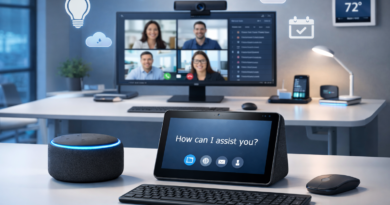
AI vs Human Skills: What Remote Workers Must Learn in 2025
The rise of artificial intelligence has revolutionized nearly every industry, and remote work is no exception. With AI tools now capable of generating content, automating customer service, analyzing massive datasets, and even writing code, remote professionals are being forced to reevaluate what skills will keep them relevant and competitive. As we move deeper into 2025, the question isn’t whether AI will change the future of work—it already has. The real question is: what human skills must remote workers master to stay valuable alongside intelligent machines?
Understanding the Impact of AI on Remote Work
AI is no longer just a buzzword—it’s an active participant in the modern workforce. According to Statista, the global AI market is expected to reach $305.90 billion in 2025, a sharp increase from just $95.6 billion in 2021. Tools like ChatGPT, Google Gemini, Midjourney, and Jasper AI are already being used by freelancers and remote workers across content creation, marketing, design, and software development. A 2024 report by McKinsey found that up to 70% of companies are integrating at least one form of AI into their workflows, with remote workers among the primary users. This widespread adoption means remote workers who rely solely on routine or repetitive tasks are at the highest risk of being replaced. However, this shift also creates a powerful opportunity for those who can adapt.
What AI Does Best: Repetitive and Data-Driven Tasks
AI excels at tasks that are rule-based, repetitive, and data-heavy. This includes functions like data entry, scheduling, basic customer support, proofreading, and even initial drafts of written content. AI can generate thousands of words in seconds, optimize ads, identify buying trends, and even translate languages in real time. For remote workers, this means many basic administrative and creative support roles are being gradually automated. Fiverr and Upwork now list hundreds of gigs involving AI-generated content where human input is minimal. The efficiency of these tools is undeniable, but they lack something vital—human judgment, emotion, and creativity.
The Human Advantage: Skills AI Cannot Replicate
Despite AI’s rapid development, there are several areas where humans still outperform machines. Emotional intelligence, critical thinking, nuanced decision-making, and deep empathy are just a few examples. Remote workers who focus on skills that require a human touch will find themselves not only surviving but thriving. Soft skills like communication, negotiation, and collaboration across cultures are increasingly valuable in a global remote work environment. According to a report by the World Economic Forum, creativity, emotional intelligence, and complex problem-solving will be among the top 10 job skills in 2025. AI might write your email drafts, but it cannot truly manage a team, lead with empathy, or build trust during a client call. These human capabilities are essential for leadership roles, consulting, education, sales, and coaching—fields that continue to grow remotely.
Top Human Skills Remote Workers Should Focus On in 2025
- Critical Thinking and Problem Solving: While AI can analyze patterns, it still relies on human guidance for real-world judgment. Remote professionals must be able to interpret data insights and apply them strategically.
- Emotional Intelligence (EQ): Building relationships, handling client expectations, and navigating workplace dynamics are things only emotionally aware humans can do. EQ will be essential for team leadership and client-facing roles.
- Creativity and Innovation: AI is excellent at remixing existing information, but humans bring original ideas. Graphic designers, marketers, writers, and developers need to infuse creativity into their work to differentiate it from AI output.
- Communication and Storytelling: Whether you’re pitching a client, writing an article, or hosting a webinar, the ability to communicate clearly and persuasively remains irreplaceable. AI can suggest phrases, but it can’t truly connect.
- Adaptability and Digital Literacy: The remote work landscape evolves fast. Staying updated with tools like Notion, Slack, Zoom, Trello, and AI integrations is key. Workers who continuously learn and adapt are best positioned for success.
- Strategic Thinking: AI can deliver information, but deciding how and when to act on that information is a uniquely human skill. Remote freelancers and consultants must learn how to turn insights into action for clients and companies.
How to Combine AI and Human Skills for Maximum Productivity
Instead of fearing AI, remote workers should embrace it as a productivity tool. For example, content creators can use ChatGPT to generate outlines, then apply human storytelling and creativity to bring the final product to life. Marketers can use AI for data analysis while focusing their energy on crafting campaigns that emotionally resonate with the audience. Designers can leverage Midjourney to generate visual ideas, but the finishing touches—those that align with a client’s brand vision—are still very much human-led. In other words, the most valuable workers in 2025 won’t be those who compete with AI, but those who learn to collaborate with it.
Remote Work Roles Where Human Skills Still Dominate
- Online Educators and Coaches: Teaching is more than just delivering information. It involves encouragement, mentorship, and adaptation—skills AI cannot master.
- Project Managers: Coordinating remote teams, setting priorities, and solving interpersonal conflicts are still best handled by humans.
- Sales and Client Relations: Building long-term relationships with customers, understanding pain points, and negotiating deals require high levels of trust and communication.
- Consultants and Strategists: Whether in business, finance, or marketing, strategic consultants use AI as a tool but rely on intuition and experience to guide decisions.
- Creative Directors and Brand Builders: AI can help execute content, but defining a vision and creating a powerful brand narrative remains human work.
Final Thoughts: Learning to Thrive in the Age of AI LV3
The evolution of AI is unstoppable—but so is the potential of human creativity, emotion, and intelligence. Remote workers in 2025 who blend smart use of AI tools with irreplaceable human skills will be the most successful. This doesn’t require a complete career pivot; rather, it’s about refining your skill set and focusing on what makes you uniquely human. Embrace lifelong learning, master emotional intelligence, and don’t shy away from innovation. AI is not your replacement—it’s your assistant. And when used strategically, it can help you work faster, smarter, and more meaningfully than ever before.
By mastering both the tools and the traits of the future, remote workers can unlock incredible career opportunities in this AI-powered era. The key is to stop fearing change—and start evolving with it.