How to Protect Your Eyes from Blue Light Damage: Smart Strategies for the Digital Age
In our hyperconnected world, it’s nearly impossible to go a day without using screens. From working on laptops and checking phones to streaming movies and gaming late into the night, digital devices have become an integral part of daily life. However, this increased screen time comes with a hidden cost—exposure to blue light. Blue light, emitted by digital screens and LED lighting, has been linked to eye strain, headaches, and disrupted sleep cycles. Over time, unchecked exposure may even contribute to retinal damage and long-term vision issues. If you spend hours in front of screens each day, learning how to protect your eyes from blue light damage isn’t just smart—it’s essential.
Understanding Blue Light and Its Effects on Eye Health
Blue light is a high-energy, short-wavelength light within the visible spectrum. While the sun remains the main source of natural blue light, artificial sources like smartphones, tablets, computers, and LED lights add a significant amount of exposure. Unlike other light types, blue light penetrates deeper into the eye, reaching the retina—the light-sensitive layer responsible for processing visual information.
While limited exposure helps regulate sleep-wake cycles and boosts alertness during the day, too much can cause trouble. Excessive blue light has been associated with digital eye strain (or computer vision syndrome), leading to symptoms like dry eyes, blurred vision, and fatigue. Moreover, chronic exposure—especially at night—can suppress melatonin production, disrupting natural sleep rhythms and reducing sleep quality.
Adopt the 20-20-20 Rule for Eye Relief
One of the simplest yet most effective ways to combat blue light strain is the 20-20-20 rule. For every 20 minutes of screen time, look at an object about 20 feet away for at least 20 seconds. This brief pause allows your eyes to relax, helping reduce strain and dryness.
Additionally, try to blink frequently. When concentrating on screens, we tend to blink up to 60% less, which leads to dry, irritated eyes. Setting reminders or using apps that encourage eye breaks can make this habit second nature.
Use Blue Light Filters and Night Mode Settings
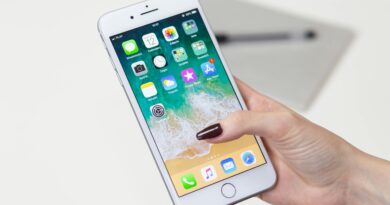
Nearly all modern devices now include blue light filter or night mode settings. These features reduce the amount of blue light emitted by adjusting the screen’s color temperature to warmer tones. Enabling these settings, particularly in the evening, can help minimize strain and prevent sleep disruption.
If your devices don’t include built-in filters, you can install third-party apps such as f.lux, Iris, or Windows Night Light. These programs automatically adapt your screen’s brightness and color balance based on the time of day, ensuring optimal eye comfort.
Invest in Blue Light Blocking Glasses
For those who spend extended hours working on computers, blue light blocking glasses can be a game-changer. These specialized lenses filter out high-energy blue light, reducing glare and preventing eye strain.
When purchasing, look for glasses with anti-reflective coating and UV protection for the best results. Even if you don’t require vision correction, non-prescription blue light glasses can still offer relief and improve focus during prolonged screen sessions.
Optimize Your Workspace Lighting
Your environment plays a significant role in reducing blue light fatigue. Avoid working in dark rooms with only your screen as the light source, as this increases glare and eye strain. Instead, use soft, ambient lighting to balance brightness levels. Position your monitor about 20–28 inches from your eyes and slightly below eye level.
Also, consider using a matte screen protector to minimize reflections. This setup ensures that your eyes aren’t working overtime to adapt to contrasting light levels, creating a more comfortable viewing experience.
Follow a Nutrient-Rich Diet for Eye Health
Your diet can also help strengthen your eyes against light-related stress. Nutrients like lutein, zeaxanthin, vitamin A, omega-3 fatty acids, and zinc play vital roles in maintaining retinal health and reducing oxidative damage.
Foods rich in these nutrients include spinach, kale, carrots, salmon, eggs, and citrus fruits. Incorporating these into your daily meals supports your eyes from the inside out. You can also consult a healthcare provider about taking eye health supplements if needed.
Get Regular Eye Exams
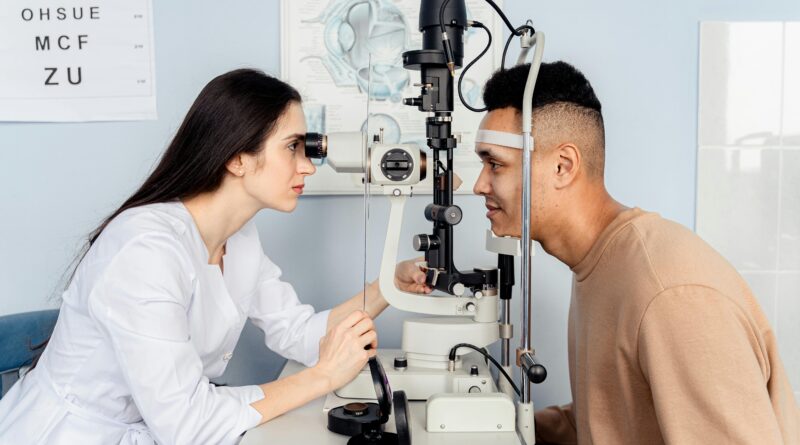
Regular eye checkups are crucial in detecting potential problems early. An optometrist can assess whether your symptoms stem from blue light exposure or other vision-related issues. They may also recommend specialized lenses or screen protection solutions tailored to your needs.
Annual exams are especially important if you already wear corrective lenses or experience persistent discomfort when using screens. Early detection ensures that you can take preventive steps before minor issues turn into major vision concerns.
Practice Good Digital Hygiene
Creating a balance between screen time and offline activities is essential. Set screen-free zones or periods in your day—such as during meals, before bed, or during outdoor breaks. Spending time in natural sunlight not only gives your eyes a rest from artificial light but also boosts mood and overall health.
If your job demands long hours on digital devices, consider using ergonomic software tools that monitor and manage your screen habits. Over time, practicing consistent digital hygiene will reduce your risk of eye fatigue and help preserve long-term vision.
Final Thoughts: Protecting Your Eyes in a Screen-Heavy World
Blue light is an unavoidable part of modern living, but with conscious effort, you can protect your eyes and maintain healthy vision. By following the 20-20-20 rule, optimizing your screen settings, using blue light glasses, eating an eye-friendly diet, and managing your digital habits, you can significantly reduce strain and prevent long-term damage.
Remember—your eyes are your window to the world. Taking small, consistent steps today ensures that they stay sharp, healthy, and comfortable for years to come.