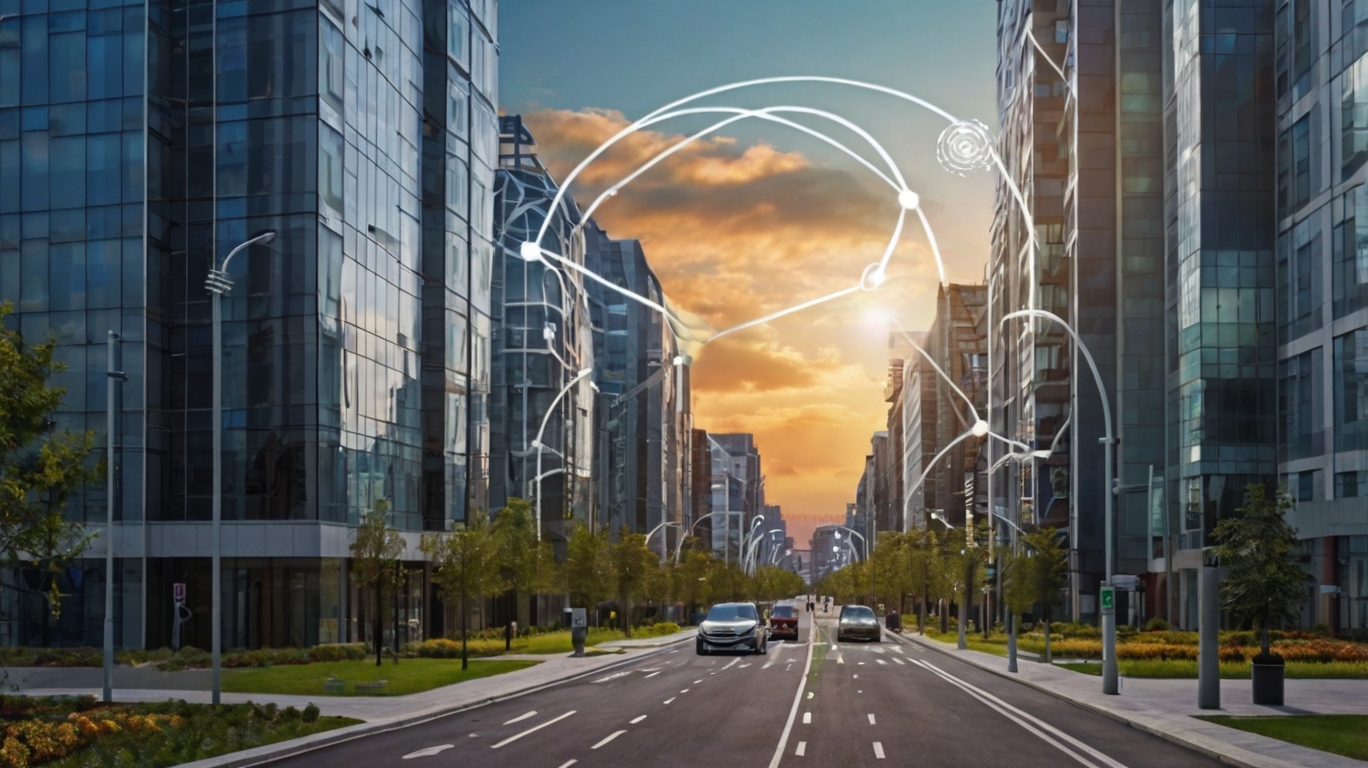
The Impact of IoT on Smart Cities Development
As cities expand and urban populations grow, the need for smarter, more efficient, and sustainable urban environments becomes critical. The Internet of Things (IoT) is at the heart of this transformation, enabling cities to function more intelligently through interconnected digital infrastructure. By integrating IoT technologies, urban centers can address common challenges such as traffic congestion, pollution, energy consumption, and public safety while enhancing overall quality of life.
IoT allows real-time data collection, automation, and analysis, helping city planners and governments make informed decisions. From smart streetlights that adjust brightness based on pedestrian movement to waste management systems that optimize collection routes, IoT-driven solutions are making cities more livable and efficient. In this article, we will explore the key applications, benefits, challenges, and future trends of IoT in smart cities, highlighting how it is reshaping urban landscapes worldwide.
What Is IoT and How It Powers Smart Cities?
Understanding IoT in Smart Cities dvt
The Internet of Things (IoT) refers to a network of interconnected devices that communicate and share data without human intervention. These devices, embedded with sensors, software, and cloud-based platforms, enable real-time monitoring, automation, and decision-making. In smart cities, IoT plays a crucial role in improving urban services, optimizing resource allocation, and ensuring a better quality of life for residents.
How IoT Works in Smart Cities
IoT technology in smart cities operates through four key components:
- Sensors and Devices – Collect data from the environment (e.g., air quality sensors, smart traffic cameras, temperature monitors).
- Connectivity – Devices transmit data via Wi-Fi, 5G, LPWAN (Low Power Wide Area Network), and Bluetooth.
- Data Processing and Analysis – Cloud computing and AI analyze collected data to provide insights.
- Automation and Action – Based on insights, IoT systems automate actions (e.g., adjusting streetlights, rerouting traffic, sending alerts).
By integrating IoT into city infrastructure, governments can create more responsive, data-driven urban environments.
Key Applications of IoT in Smart Cities
1. Smart Traffic Management & Transportation
Traffic congestion is a growing concern in many cities, leading to wasted time, increased pollution, and economic losses. IoT-powered smart traffic systems use sensors, AI, and cloud computing to enhance mobility.
How IoT Improves Traffic Management
- Adaptive Traffic Signals: IoT-enabled signals adjust in real-time based on congestion levels, reducing unnecessary stops and delays.
- Smart Parking Solutions: Parking sensors guide drivers to available spots, reducing the time spent searching for parking.
- Public Transport Optimization: IoT helps monitor bus and train occupancy, adjusting schedules dynamically to reduce overcrowding.
- Connected Vehicles: IoT integrates with autonomous vehicles and ride-sharing services, making transportation more efficient.
By reducing traffic congestion and optimizing transportation networks, smart cities can lower emissions, improve travel times, and enhance commuter experiences.
2. Energy Efficiency and Smart Grids
Energy consumption is a major concern in urban areas, leading to high costs and environmental damage. IoT plays a vital role in creating energy-efficient smart grids that optimize electricity distribution and consumption.
IoT Solutions for Energy Efficiency
- Smart Meters: Monitor real-time electricity usage, allowing consumers to reduce energy waste.
- Automated Streetlights: Streetlights adjust brightness based on movement and time of day, saving electricity.
- Renewable Energy Integration: IoT manages solar and wind energy distribution, ensuring maximum efficiency.
- Demand Response Systems: Utilities adjust power supply based on real-time demand, preventing energy shortages.
With IoT-powered smart grids, cities can significantly reduce energy costs and carbon emissions.
3. Smart Waste Management & Sanitation
Waste management is often inefficient and costly, leading to overflowing bins, pollution, and high operational expenses. IoT-driven waste management systems offer real-time solutions.
IoT-Based Waste Management Innovations
- Smart Waste Bins: Equipped with fill-level sensors, alerting collection teams when full.
- Route Optimization for Garbage Trucks: IoT provides data-driven routes for faster and cost-effective waste collection.
- Automated Recycling Systems: AI-powered sorting systems enhance recycling efficiency.
By reducing unnecessary waste collection trips and encouraging recycling, IoT contributes to a cleaner, healthier urban environment.
4. Smart Water Management
Water conservation is a growing challenge, with many cities facing shortages due to climate change and population growth. IoT helps optimize water distribution, leak detection, and quality monitoring.
IoT Applications in Water Management
- Smart Water Meters: Detect leaks and monitor usage in real-time.
- Automated Irrigation Systems: Use soil moisture sensors to optimize watering schedules, reducing waste.
- AI-Driven Water Treatment: IoT ensures efficient filtration and purification, providing clean drinking water.
By minimizing waste and ensuring efficient water use, IoT helps cities tackle water scarcity and promote sustainability.
5. Public Safety and Smart Surveillance
Ensuring urban safety is a top priority for governments. IoT enhances security through real-time monitoring, emergency response systems, and AI-driven surveillance.
How IoT Enhances Public Safety
- Smart CCTV Cameras: AI-powered cameras detect suspicious activity and alert authorities.
- Emergency Response Coordination: IoT connects ambulances, fire services, and police, improving response times.
- Disaster Prediction Systems: Sensors detect earthquakes, floods, and fires, sending alerts to citizens and authorities.
By using IoT in public safety, smart cities can prevent crime, reduce emergency response times, and protect citizens.
The Benefits of IoT in Smart Cities
- Improved Quality of Life – Smart solutions enhance mobility, public safety, and environmental quality.
- Cost Savings for Governments – Automation reduces operational expenses in energy, waste management, and transportation.
- Sustainability and Environmental Protection – IoT-driven solutions help reduce carbon footprints and resource waste.
- Increased Public Safety – IoT enables faster emergency responses, real-time surveillance, and disaster preparedness.
Challenges of Implementing IoT in Smart Cities
1. Data Privacy and Security Risks
With vast amounts of data collected, cybersecurity threats and privacy concerns are major challenges. Governments must implement strong encryption and data protection policies.
Dvt
2. High Implementation Costs
IoT infrastructure requires significant investment in hardware, software, and network maintenance. Public-private partnerships can help mitigate costs.
3. Technical and Integration Issues
Older city infrastructure may be incompatible with modern IoT solutions. Cities need gradual upgrades and IoT-friendly policies.
4. Data Overload & Management
Processing massive real-time data is challenging. AI and cloud computing help streamline data analysis and decision-making.
Future of IoT in Smart Cities
IoT in smart cities is rapidly evolving, with exciting trends emerging:
✔ 5G Connectivity – Enables faster real-time IoT communication.
✔ AI-Driven IoT – Enhances automation and decision-making.
✔ Blockchain for Security – Protects IoT data from cyber threats.
✔ Autonomous Public Transport – Self-driving buses and trains reduce congestion.
As technology advances, IoT will continue to transform urban life, making cities smarter, safer, and more sustainable.
Conclusion
IoT is revolutionizing smart city development, offering real-time data collection, automation, and AI-driven insights to enhance urban life. From smart traffic management to sustainable energy solutions, IoT is shaping the future of efficient and sustainable cities.
However, challenges like cybersecurity threats, high costs, and integration barriers must be addressed. Governments, tech innovators, and policymakers must work together to ensure secure, scalable, and citizen-friendly IoT solutions. The future of urban living depends on how effectively we harness IoT to create smarter, more livable cities.