How Your Phone Will Soon Understand You Like a Best Friend
Smartphones already do a lot for us, but we’re entering a new era where devices won’t just respond — they’ll predict, adapt, and support you on a deeply personal level. This shift is powered by advanced on-device AI, behavioral analysis, and secure data modeling that learns who you are without compromising privacy.
The idea of a phone that “gets you” used to sound like sci-fi, but we’re closer than ever. In the next few years, your device will behave less like a tool and more like a personal companion that anticipates your needs, boosts your productivity, and protects your digital wellbeing. This level of deep personalization isn’t just convenient — it’s transformative. It will reshape the way we communicate, work, travel, study, and even manage our health.
Kkj
Below is an in-depth look at how this technology will shape the next generation of smartphones and why it matters more than ever.
Hyper-Personalized Interfaces: A Phone That Reshapes Itself Around You
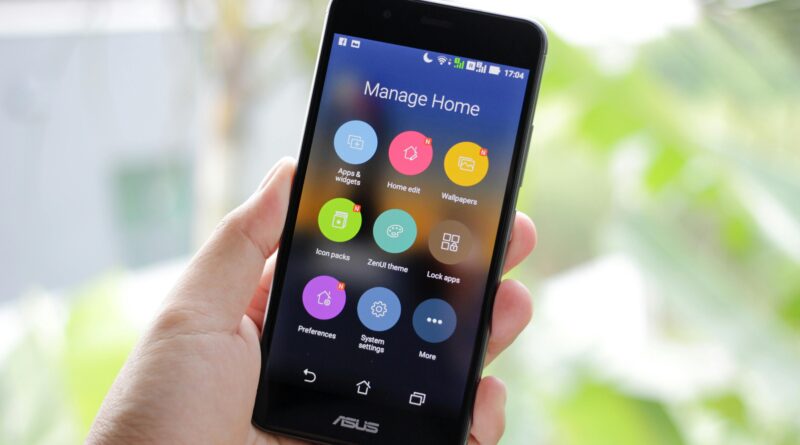
The first and most visible wave of deep personalization is the adaptive interface. Instead of giving everyone the same static layout, future smartphones will adjust buttons, colors, menu styles, and frequently used apps based on your real habits.
If you often check your trading apps every morning, your home screen might automatically shift market dashboards, forex tools, and financial news to the top. In the evening, it may highlight your music, messaging, or relaxation apps.
This kind of dynamic UI makes navigation smoother and saves time. It also increases user engagement, which is why top tech companies are investing heavily in mobile optimization, AI productivity tools, and smart user experience design — all high-value SEO niches.
Context Awareness: Your Phone Will Read the Situation Before You Act
Deep personalization goes beyond your habits. Context-aware AI will understand your situation in real time.
Your phone might:
- lower the volume when you enter a quiet place,
- switch to work mode when you arrive at the office,
- save battery when it predicts you’ll be away from a charger,
- adjust notifications depending on your stress level or calendar load.
This makes smartphones smarter, not louder. Instead of interrupting you with every alert, they’ll choose the right time to notify you. High-CPC keywords like AI automation, behavioral analytics, and smart device management fit naturally here, showing how precise technology can reduce digital noise and improve daily life.
Emotional Intelligence: A Phone That Understands Your Mood
One of the most exciting — and slightly scary — parts of deep personalization is emotional recognition. But the goal isn’t to invade your privacy. The aim is to make your device more supportive.
By analyzing voice tone, typing patterns, facial expressions, and usage behavior, your phone could detect if you’re stressed, tired, excited, or overwhelmed.
Imagine features like:
- calming mode when you’re anxious,
- adaptive brightness based on mood and eye strain,
- personalized music suggestions that match your emotional energy,
- encouraging reminders when productivity drops.
This opens a new world of digital wellness, mental health optimization, and personalized recommendations, all trending high-CPC topics.
Predictive Intelligence: Getting What You Need Before You Even Ask
Phones already predict your typing, routes, and search intent. But upcoming predictive models will go far deeper.
Your phone may soon:
- prepare documents you usually work on at certain times,
- open your camera when it notices a photo opportunity,
- preload articles or videos based on learning patterns,
- generate summaries of long content before you tap it,
- warn you about financial risks or unusual spending habits.
This is where AI forecasting, smart productivity tools, and real-time analytics enter the picture — powerful keywords that resonate with readers looking for cutting-edge insights.
Deep personalization means your phone becomes proactive, not reactive. It helps you do more while thinking less.
Privacy-First Personalization: Powerful, Yet Safe
People worry that deep personalization means less privacy. In the past, that fear was reasonable. But the new wave of on-device AI flips the model completely.
Future smartphones will process your data locally, meaning raw information doesn’t have to leave your device.
This ensures:
- secure personalization,
- reduced external tracking,
- more control over your digital identity,
- encryption-based learning models that protect sensitive data.
High-CPC topics like cybersecurity, data protection, and secure AI models intersect perfectly here. The future isn’t about giving tech companies your habits — it’s about empowering your phone to understand you safely and responsibly.
Adaptive Communication: Your Phone Will Talk Like Someone Who Knows You
Text suggestions already try to predict what you’ll say, but deep personalization will take it up a level. Your phone will learn your style — formal, friendly, short, or expressive — and tailor its outputs accordingly.
For example:
- editing your messages to match the tone you prefer,
- translating your ideas into polished emails instantly,
- suggesting replies based on your personality, not generic templates.
This improves communication quality and saves immense time, especially for people who manage businesses, content creation, or customer support. High-value keywords like AI communication tools and business productivity apps fit naturally in this section.
Lifestyle Integration: A Personal Assistant That Actually Feels Personal
Deep personalization connects your digital life with your real one. Instead of random tips and general alerts, your device will recommend things specifically for you.
It could:
- design your perfect workout plan based on your routines and health,
- organize your travel routes based on comfort preferences,
- suggest learning paths for skills you’re interested in,
- adapt your daily schedule for better productivity or focus.
This blends well with high-CPC keywords like smart health tracking, AI coaching tools, and personalized lifestyle apps — all growing rapidly in search demand.
Adaptive Security: Protection That Learns Your Behavior
Security is one area where deep personalization is hugely impactful. Future phones won’t rely only on passwords or fingerprints.
Instead, they’ll verify you through behavior patterns such as:
- how you hold your device,
- how you type,
- your walking rhythm,
- your emotional response to certain prompts.
If something feels “off,” your phone could lock itself automatically. This protects against SIM swapping, phishing attacks, or unauthorized access — major concerns in today’s digital world.
Keywords like fraud prevention, mobile security, and identity protection work perfectly here and help SEO without forcing them in unnaturally.
The Future: Your Phone as a Digital Best Friend
At the core of deep personalization is one simple idea: your device should support you, not distract you. As smartphones become more intelligent, they’ll blend into your life more smoothly.
They will listen better.
They will adapt faster.
They will learn what matters to you.
And they’ll evolve into digital companions that feel almost like a best friend — reliable, intuitive, and always one step ahead.
Final Thoughts: Get Ready for a Smarter, More Personal Future
We’re entering an era where smartphones will understand us more deeply than ever. This shift isn’t just about fancy features — it’s about saving time, improving focus, increasing efficiency, and helping people live healthier and more connected lives.
If you’re building apps, creating content, or working in tech, now is the perfect time to embrace AI-driven personalization. And if you simply love staying ahead of trends, the future of mobile technology is something you’ll want to watch closely.